Mental health as a shared responsibility
Mental health initiatives in the workplace are no longer just a “nice to have” – they are a foundation of how modern organisations function and thrive. Work pace, digital communication, role overload, and constant change impact everyone. Mental health is not solely the individual’s responsibility – it is shaped by the organisation, leaders, and colleagues. In other words: the organisation creates the conditions, the person takes care of themselves, and leadership culture provides support.
According to consulting firm Hogan Assessments, clarity of roles and responsibilities provides a strong basis for wellbeing:
- Employee responsibility: taking care of oneself, setting boundaries, expressing needs.
- Employer responsibility: creating a safe and resourceful environment, building a culture that supports mental health.
- Manager’s role: shaping culture through their values, communication style, and priorities.
The World Health Organization (WHO) recommends action in four main areas:
- Preventing work-related mental health problems by addressing risks like overwork, unclear roles, or ineffective leadership.
- Protecting and promoting mental health.
- Supporting employees who are experiencing mental health challenges.
- Creating an enabling environment for change – not just via programs, but through cultural and behavioural shifts.
“Wellbeing is not just about helping people feel good – it’s about creating the conditions where people can thrive.”
WHO, 2022
A company where mental health truly matters
GBS Estonia is part of the CMA CGM Group – a global shipping leader operating in over 160 countries with more than 400 agencies, 445 vessels, and over 200 shipping lines. GBS Estonia’s main activity is shipping and providing logistical solutions.
The company has made a decision to prioritise mental health. They’ve gone beyond awareness-raising to create a system that actively supports employee wellbeing.
“For us, mental health is not just a trend. It’s part of how we show people they are valued.” Maria-Marlene Parm, HR Specialist
Their first step was to offer employees the chance to complete the Peaasi.ee Mental Health First Aid (MHER) basic course. This training laid a strong foundation for recognising warning signs, listening, and encouraging people to seek support. The goal of the initiative was:
- To create an internal support network.
- To promote early detection and prevention of mental health concerns.
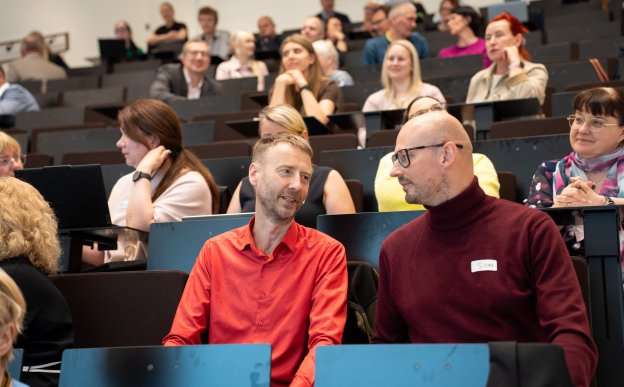
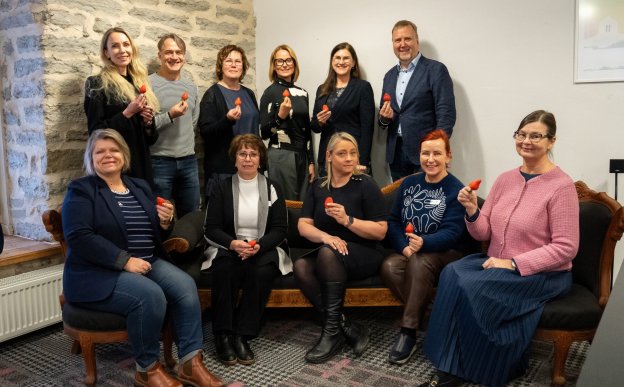
After the training, it became clear that knowledge alone wasn’t enough – the MHER role needed to come to life in everyday work. That’s when a collaboration with Fontes began. Together we developed a workshop format that helped participants:
- Reflect on the meaning and boundaries of their role.
- Share real-life challenges and dilemmas.
- Practise difficult conversations in a safe space.
- Explore self-care and sustainability in the role.
“When people can reflect on the meaning of their role together, the desire to try and learn deepens.” Juta Palmeri, Senior Consultant at Fontes
The role of a Mental Health First Aider at work: questions, boundaries, and community
A Mental Health First Aider is not a therapist, but a peer who:
- Notices signs and dares to approach.
- Listens and holds space.
- Encourages seeking help and refers when needed.
- Helps create a safe space for mental health conversations.
- Knows their own boundaries and where to find support.
“What I take from the workshop is the realisation that being a Mental Health First Aider is more than a title – it’s a responsibility and an opportunity to support my colleagues and help them grow. Each aider should choose the approach they feel most confident in, but what matters most is being prepared and supported before offering help.” Liis Ambos, GBS Estonia, Mental Health First Aider
“What stayed with me most is the realisation that sometimes even the smallest step – asking a simple question, showing presence, or listening without interruption – can create a surprisingly big shift for someone who is struggling. It reminded me that support doesn’t have to be complicated to be meaningful. The workshop showed me that talking about mental health openly and without stigma is already a form of prevention.” Artem Kuvaev, GBS Estonia, Mental Health First Aider
“Good mental health support in the workplace doesn’t mean everyone feels great all the time. It means that when someone is struggling, they’re not alone and we know how to be there for them.” Pille Pesti, Fontes, work wellbeing trainer and counsellor
What can other organisations learn from this?
GBS Estonia shows that supporting mental health doesn’t need to be complicated or an “extra burden”. It can be an intentional part of workplace culture. Supporting employees isn’t just a task for HR or managers, it’s about creating conditions where people can be there for one another.
Here are some key takeaways for other organisations:
- Don’t stop at training – help people reflect on what their role means and how to apply what they’ve learned in their work context.
- Create safe spaces to practise – workshops, role plays, and discussion of dilemmas help build confidence.
- Support the supporters – team members in the MHER role need clarity, encouragement, and regular check-ins.
- Link mental health to culture – wellbeing isn’t a stand-alone initiative. It must be integrated into leadership, daily operations, and values.
- Think long-term – as GBS Estonia shows, small steps (basic training, shared meaning, internal network) can lead to real, lasting change.